
There is a particular look on a Turkish grandmother’s face when she sees a foreign family with small children walking past her front door. She will disappear inside for thirty seconds. She will return with sweets, sometimes warm bread, occasionally a soft toy she has just decided to give away. Your child will be kissed on both cheeks by someone they have never met, and you will stand there holding a stranger’s homemade cookies wondering what just happened.
This is the part of family travel in Turkey that no tour guide describes in advance — partly because they assume you already know, and partly because the rhythms of travelling here with children are so different from what families expect that it is easier to just let you discover them.
After years of arranging family journeys across Turkey, we have noticed the same surprises come up again and again. Some are delightful. Some are practical. A few would have changed the entire shape of a family’s trip if they had known before booking. Here are eight of them.
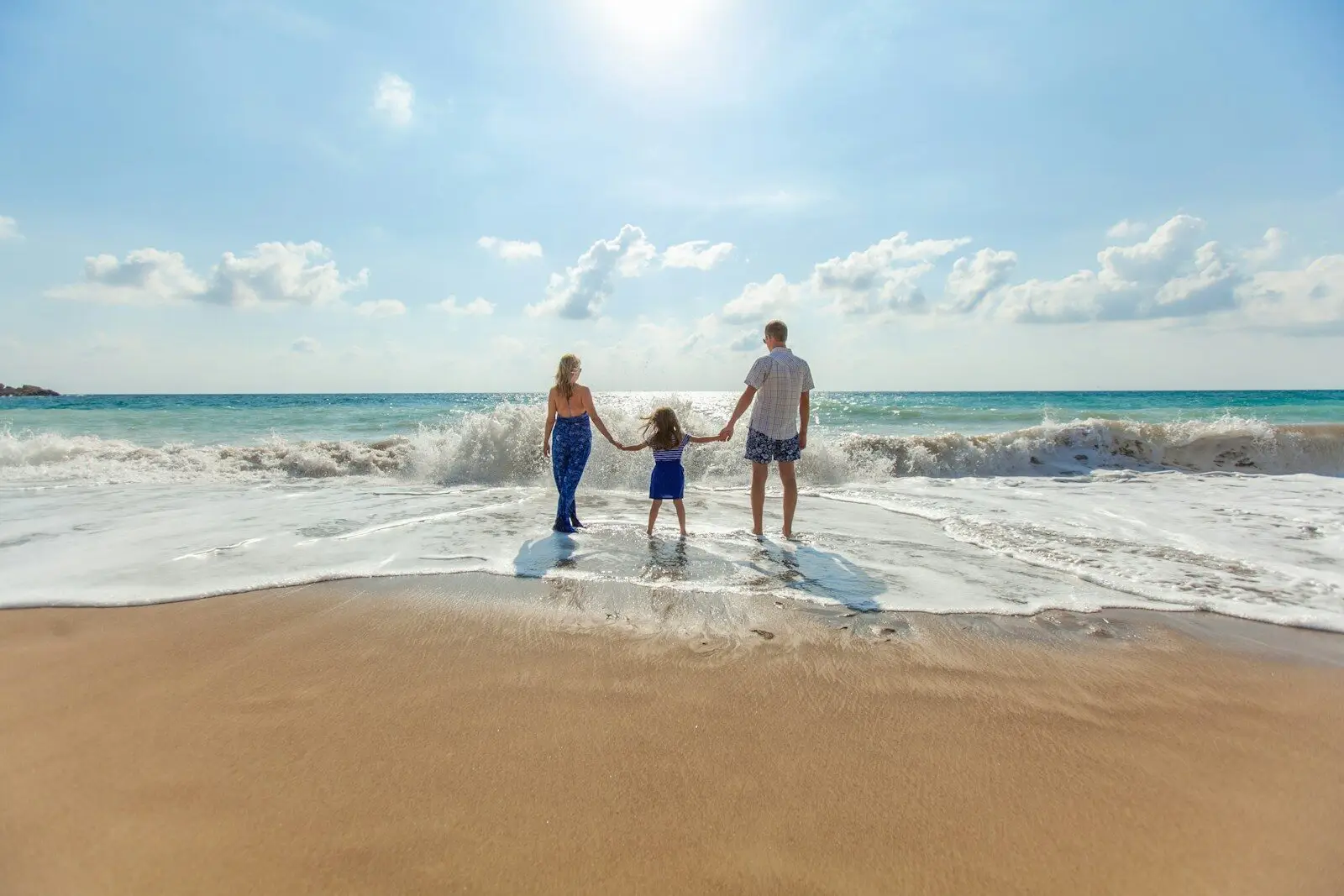
1. Turkey is a country that genuinely loves children — and that changes how you travel
Most travel destinations are tolerant of children. Turkey is something else: it actively delights in them. Restaurant owners will pull a chair out for your toddler before you have asked. Strangers will stop to admire your baby on the tram. Shopkeepers will hand your child a piece of candy without making eye contact with you, as if it would be rude to make a transaction out of it.
This sounds charming — and it is — but it has practical consequences for how you plan a trip. Your children will be welcome almost everywhere, including places that in other countries would feel adults-only: rooftop restaurants, late-evening fish meyhanes, museum cafés, even some boutique hotel lobbies that look impossibly quiet.
The flip side: people will touch your children. They will pinch cheeks. Older women will sometimes kiss them. If this is uncomfortable for your family — and for many it is — you will need a gentle way to redirect the affection without causing offence. The phrase “Çok teşekkürler, biraz utangaç” (thank you very much, she’s a bit shy) handles ninety percent of these moments gracefully.
2. The hot air balloon has an age rule no one mentions until you arrive
Cappadocia’s hot air balloon flight is on every family Turkey itinerary, and rightly so. What is rarely mentioned in advance is that most operators will not fly children under the age of seven, and the more reputable operators are stricter, not more flexible.
This is not a guideline that bends. The basket walls are roughly chest-high to an adult, which means a five-year-old has nothing between them and a thousand feet of air. Operators who agree to fly younger children are the ones you do not want flying you.
If you have a child under seven, plan around it instead of fighting it. The Red Valley sunrise hike, a horseback ride through the fairy chimneys at golden hour, or watching the balloons rise from a hotel terrace with hot chocolate — these are arguably more memorable than the flight itself, and they cost a tenth of the price.
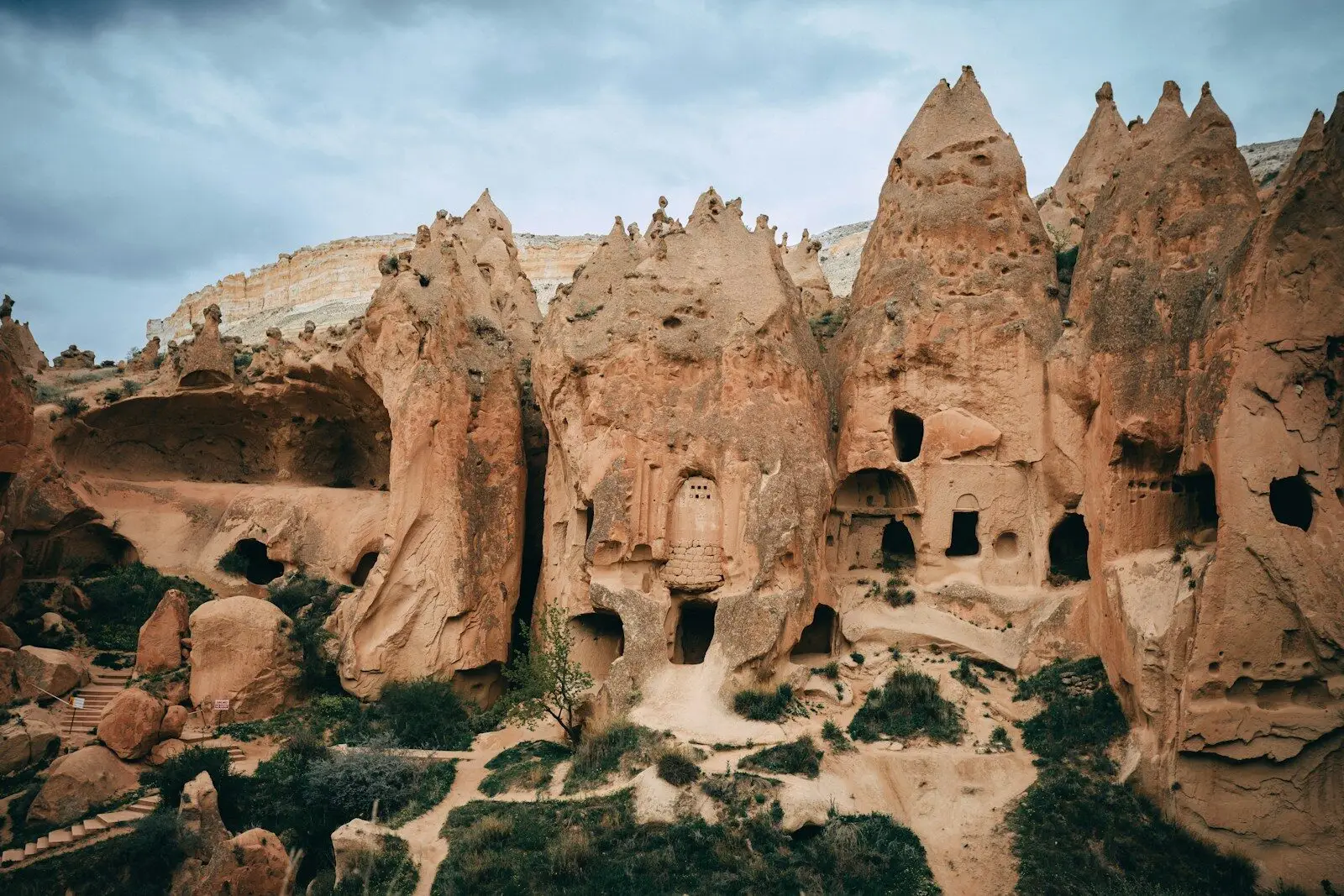
3. Distances on the map lie
Turkey is the size of Texas. A glance at the map suggests Istanbul, Cappadocia, Pamukkale, Ephesus and the Mediterranean coast can be linked in seven days. They cannot — at least not with children, and not without ruining the trip you came for.
The honest itinerary maths: Istanbul to Cappadocia is a 75-minute flight, but with airport transfers, security and waiting, you lose half a day each way. Cappadocia to Pamukkale is nine hours by road. Pamukkale to Ephesus is another three. By the time the children have been packed and unpacked four times in a week, the entire family is travelling, not visiting.
The itinerary that actually works for families: pick two regions, not five. Three nights Istanbul, four nights Cappadocia. Or four nights Istanbul, three nights on the Aegean coast. Add a region only when you have an extra week. The trip you cut in half is the trip your children will remember.
4. Your stroller will betray you in places you did not expect
Istanbul’s old city has cobblestones older than most countries. Cappadocia’s villages are built on hills that locals navigate by goat tracks. Ephesus is a marble-paved Roman city — beautiful, and almost impossible with wheels. Even Galata’s pavements drop and rise without warning.
A travel stroller is the wrong tool for most of Turkey with small children. The right tool is a soft baby carrier or hiking backpack carrier for under-threes, and good walking shoes for everyone else. If you are committed to a stroller, bring an off-road model with proper suspension — the cheap umbrella stroller will not survive Sultanahmet, let alone Cappadocia.
We have seen more family tantrums caused by broken strollers than by tired children. Plan for it.
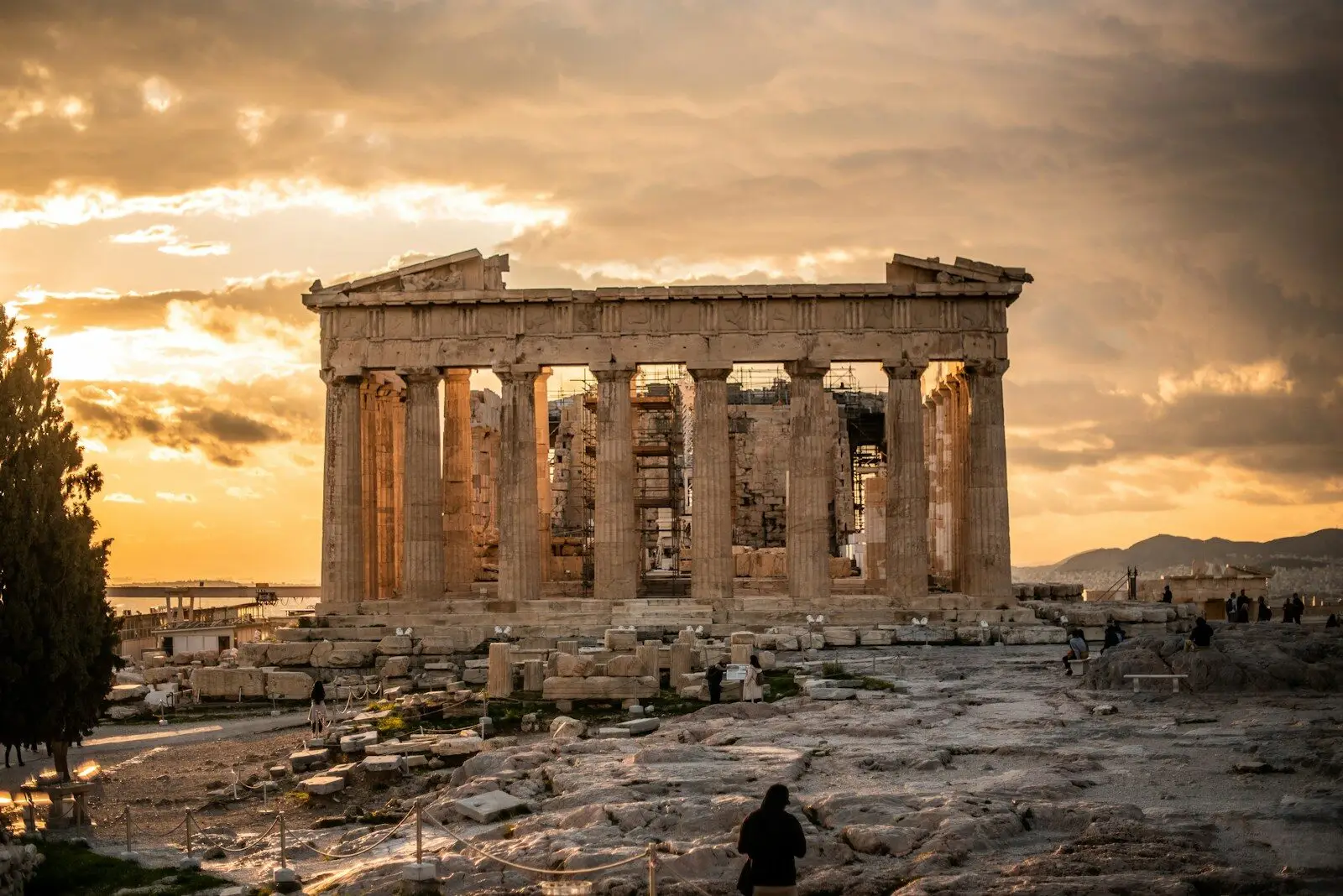
5. The afternoon is for swimming, not sightseeing
Turkish heat is not European heat. From late June through early September, midday temperatures in Cappadocia, Ephesus and the south coast routinely sit between 35 and 40°C, and the historic sites have very little shade. A two-hour Ephesus tour at noon in August is a recipe for a meltdown — yours, not just the children’s.
The locals know this. They eat lunch slowly, then disappear until 5pm. Restaurants thin out. Hotel pools fill up. Adopt this rhythm and your family trip transforms.
The right shape of a summer day in Turkey with children: sightseeing 7am–11am, lunch and pool 11am–4pm, second sightseeing window 4pm–8pm, dinner 8pm onwards. Children eat dinner late here — restaurants are full of families at 9pm. Trying to maintain a 6pm dinner schedule will fight the entire country.
6. Hammam with children is possible — and most rehberlers will not arrange it
The classical Turkish hammam is one of the great cultural experiences of the country, and most tour operators quietly skip it for families because they assume children cannot participate. They can — under specific conditions almost no one explains.
Children over six are usually welcome in family hammam sessions. Many of the historic hammams in Istanbul (Çemberlitaş, Cağaloğlu, Kılıç Ali Paşa) have private family rooms where parents can bathe their children themselves, with a hammam attendant on call rather than scrubbing the child directly. The water temperature is moderated. The session is shorter — typically 45 minutes instead of 90.
Children find it fascinating. The marble, the steam, the warm domes overhead — it is genuinely a sensory adventure. Most families we have arranged this for describe it afterwards as the unexpected highlight of the trip.
The reason it is rarely offered: it has to be booked separately, requires a private room, and most hammams will not list family sessions on their public pricing. You ask, and you arrange. Otherwise it does not exist.
7. The shopping experience changes the moment you have a child with you
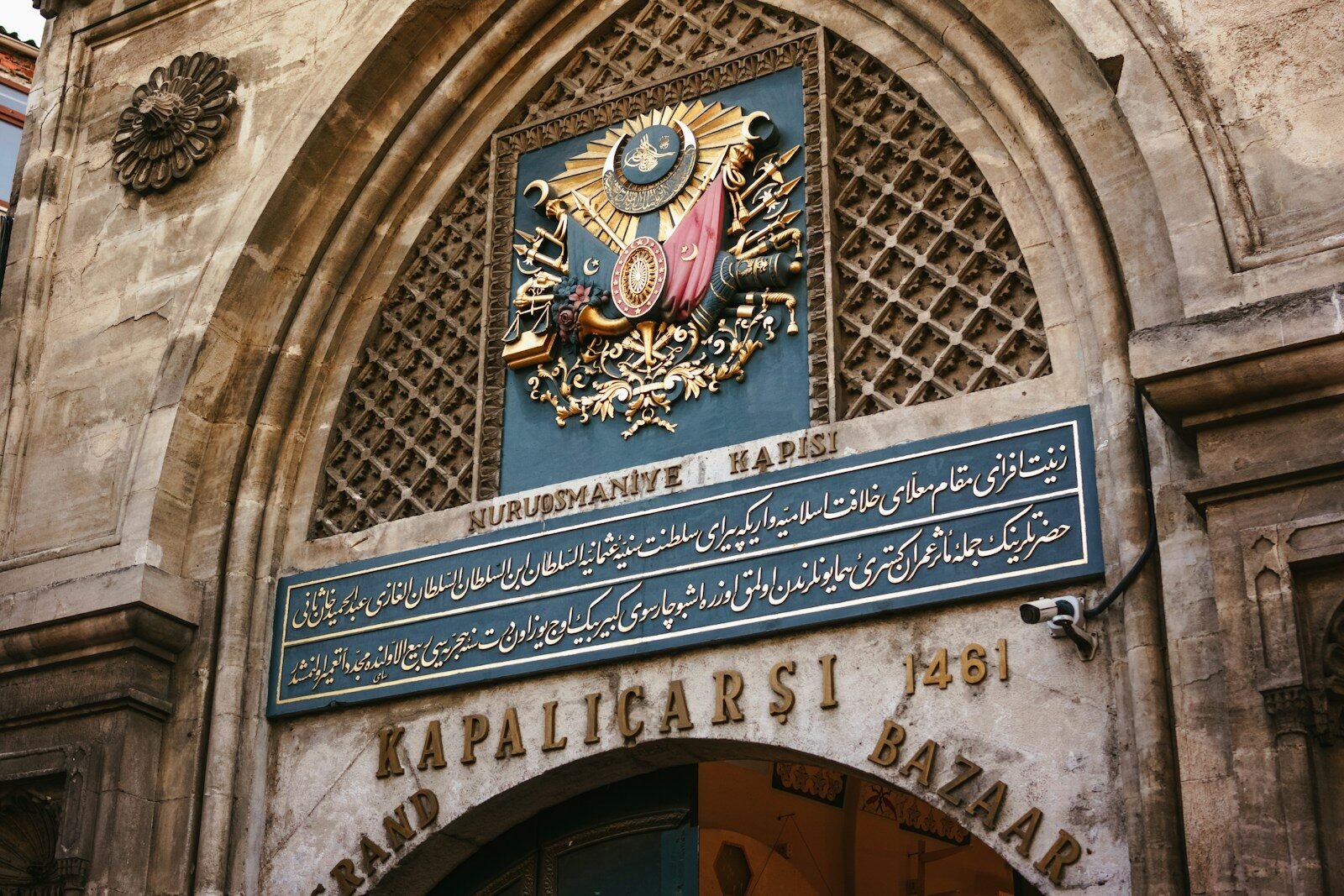
If you have ever felt overwhelmed by carpet sellers in the Grand Bazaar, walk in with a five-year-old. The energy shifts entirely. The shopkeeper offers your child apple tea before they offer you anything. The conversation becomes about your trip, your children’s names, where you are from. The aggressive sales pitch foreign visitors fear in Turkey is largely a function of the customer being alone, in a hurry, and visibly anxious. With a child, none of those things apply.
This works in your favour, but there is a related point worth knowing: never let a shopkeeper give your child anything before you have decided whether to buy. Generosity here is genuine, but generosity also creates obligation. If your child accepts a small toy or sweet, you will feel — and the shopkeeper will gently expect — that some kind of purchase should follow. The polite response: “Çok güzel, teşekkürler — biz biraz bakalım” (very nice, thank you — let us look around a bit), said with a smile, and then leave if you do not intend to buy.
8. The best family experience in Turkey is the one no itinerary lists
After arranging hundreds of family trips, the moments that families remember years later are almost never the famous sites. They are the things that happened in the gaps:
The morning the children were taught to make gözleme by a village woman in Cappadocia, hands sticky with dough, while the family driver translated her grandmother’s recipe.
The afternoon the family rented a small wooden boat in Kaş with a captain who let the eight-year-old steer.
The dinner where the chef came out of the kitchen of a Bosphorus fish restaurant to show the children how to debone a sea bass.
The evening in Antalya where a street musician taught the kids to clap a 9/8 time signature on the table.
These are not “experiences” in the brochure sense. They cannot be booked online. They emerge from itineraries that have room in them — that are not maximised, that have a free afternoon written into every other day, that allow for the conversation with a hotel concierge that ends with “actually, my friend who fishes on the Bosphorus could take you out tomorrow morning.”
The single most important thing tour guides will not tell you about family travel in Turkey is this: the trip you plan is the floor, not the ceiling. Build less. Leave gaps. The country will fill them with the things you actually came for.

A note from us
We design family journeys across Turkey for travellers who want their children to come home with stories rather than checklists. The eight things above are the ones we wish every family arrived knowing — but they are not the only ones. Each family is different, each child has their own pace, and the best itineraries are the ones built around who you actually are, not what is trending on Instagram.
If you are considering Turkey with your family — whether for the first time, or returning after years away — start the conversation with us before the brochure stage. The most useful thing we can do is help you build a trip that has space in it for the moments that will become the memories.
Planning a family journey across Turkey? Get in touch with our team — every itinerary we design starts with a conversation about your family, not a template.