
There is no single answer to “when is the best time to visit Turkey.” The country is the size of Texas, sits on three different climate zones, and changes character so dramatically through the year that the May version of Cappadocia and the August version are essentially two different destinations.
What there is, instead, is a calendar — twelve months, each with its own personality, each suited to a particular kind of traveller and a particular kind of trip. The April visitor and the October visitor are not making the same trip, and neither is wrong. They are simply travelling in two different countries that happen to share a name.
After years of designing journeys across Turkey for guests arriving in every month of the year, we have learned that the question is not really “when is the best time?” but “what kind of trip do you want, and which month delivers it?” This is the honest answer, month by month.

January — The Quiet Country
Weather: Cold. Istanbul averages 6–9°C with frequent grey skies. Cappadocia drops below freezing and often wakes to snow. The Mediterranean coast holds at 10–15°C — cool but rarely freezing.
Best for: Travellers who want Istanbul without the crowds, photographers chasing snow on the fairy chimneys, and serious museum-goers. Hagia Sophia without queues is something most visitors never experience — January gives you that.
The honest catch: Many Mediterranean coastal hotels close entirely. Balloon flights in Cappadocia operate but are weather-dependent — expect cancellations. Days are short, with sunset around 5pm.
Insider note: January is the cheapest month of the year for luxury hotels in Istanbul, sometimes 50% below summer rates. If your trip is about the city — its hammams, its museums, its restaurants — January is genuinely undervalued.
February — Snow on the Chimneys
Weather: Similar to January. Slightly more daylight by month-end. Cappadocia snow is at its most photogenic in mid-February.
Best for: Cappadocia winter trips. The fairy chimneys covered in snow, balloon flights through cold clear morning air, and cave hotels with fireplaces — this is one of Turkey’s most beautiful and least-photographed scenes.
The honest catch: Outside Istanbul and Cappadocia, much of the country is in low season. Some boutique hotels along the Aegean and Mediterranean remain closed until late March.
Insider note: February balloon flights, when they happen, are often clearer and more atmospheric than summer ones — fewer balloons, crisper light, snow-dusted valleys below.
March — The Country Wakes Up
Weather: Transitional. Istanbul climbs to 10–14°C. Cappadocia thaws. The Mediterranean coast warms to 15–18°C. Rain is possible, especially in the first half of the month.
Best for: Hikers — the Lycian Way reopens in earnest, with wildflowers beginning to appear. Cyclists. City travellers wanting milder weather without crowds.
Insider note: Ramadan can fall in March or April depending on the year — worth checking, since some restaurants in smaller towns adjust their daytime hours. Tourist areas in Istanbul and Cappadocia operate normally.
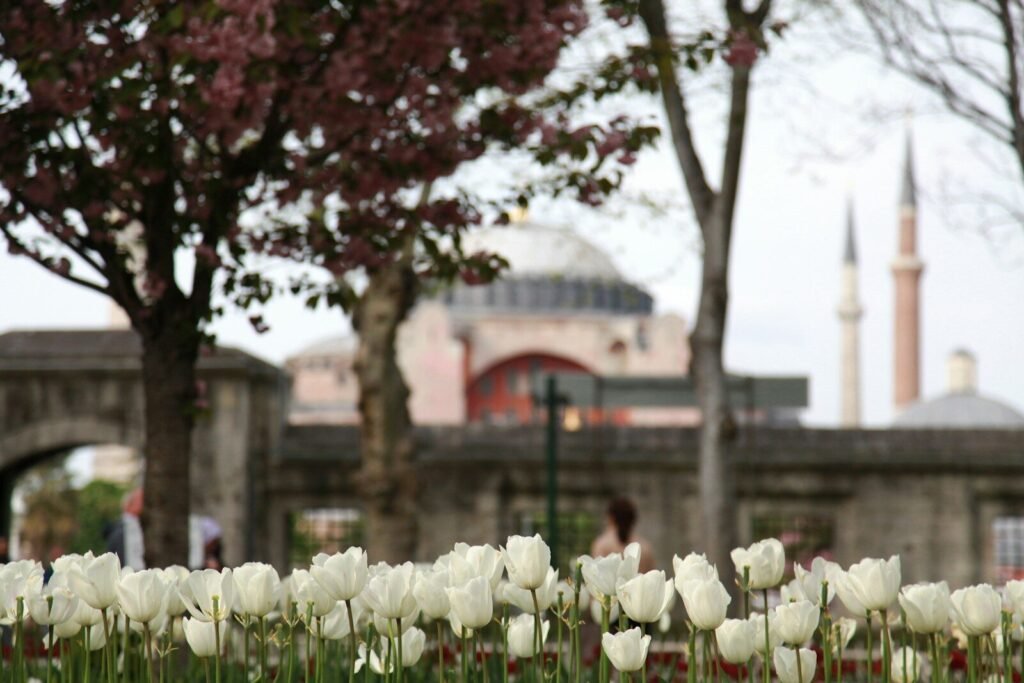
April — Tulip Season in Istanbul
Weather: Mild and beautiful. Istanbul 13–18°C, Cappadocia 10–17°C with cool nights, the Mediterranean coast 18–22°C. Occasional rain showers.
Best for: This is, for many travel designers, the single best month to visit Turkey. The Istanbul Tulip Festival (early to mid-April) carpets Emirgan Park, Sultanahmet and Gülhane in millions of tulips. Ephesus is comfortable to walk. Cappadocia hiking is at its most beautiful, with wildflowers covering the valleys. Crowds are still moderate.
The honest catch: Anzac Day (April 25) brings thousands of Australian and New Zealand visitors to Gallipoli — book early if your trip touches that region near the date. Easter weekend also sees a European visitor surge.
Insider note: April is when Cappadocia’s balloon flights have their highest success rate of the year — stable weather, low winds, mild temperatures.
May — The Honest Best
Weather: Genuinely perfect. Istanbul 18–23°C, the Mediterranean 22–26°C and warming, Cappadocia mild days and cool evenings.
Best for: Almost everything. Beach season begins on the Aegean coast. Hiking conditions are excellent. Wine vineyards in Cappadocia are green. Sea temperature is around 20°C — swimmable for the brave.
The honest catch: This is the month when prices begin climbing. By late May, peak summer rates start appearing on the Mediterranean coast.
Insider note: Hıdırellez festival (May 5–6) marks the welcoming of spring — Edirne, Istanbul and the Black Sea coast see music, fire-jumping, and traditional gypsy band performances. A genuinely local experience that almost no foreign itinerary captures.
June — The Tipping Point
Weather: Hot but not extreme. Istanbul 23–28°C, Mediterranean coast 28–32°C, Cappadocia 25–30°C in the day and cool at night. Sea temperature reaches a swimmable 23°C.
Best for: Beach trips, gulet sailing along the Lycian coast, families with school-age children (June is before peak crowds and peak prices). The Aspendos International Opera and Ballet Festival — held in a 2,000-year-old Roman theatre near Antalya — runs through June and July and is one of the most underrated cultural experiences in the country.
The honest catch: Mid-June is when Mediterranean prices and crowds begin their summer climb. Inland sites like Ephesus become uncomfortably hot at midday.
Insider note: Early June is a sweet spot — summer warmth without yet hitting peak season pricing. The first two weeks reward early planners.
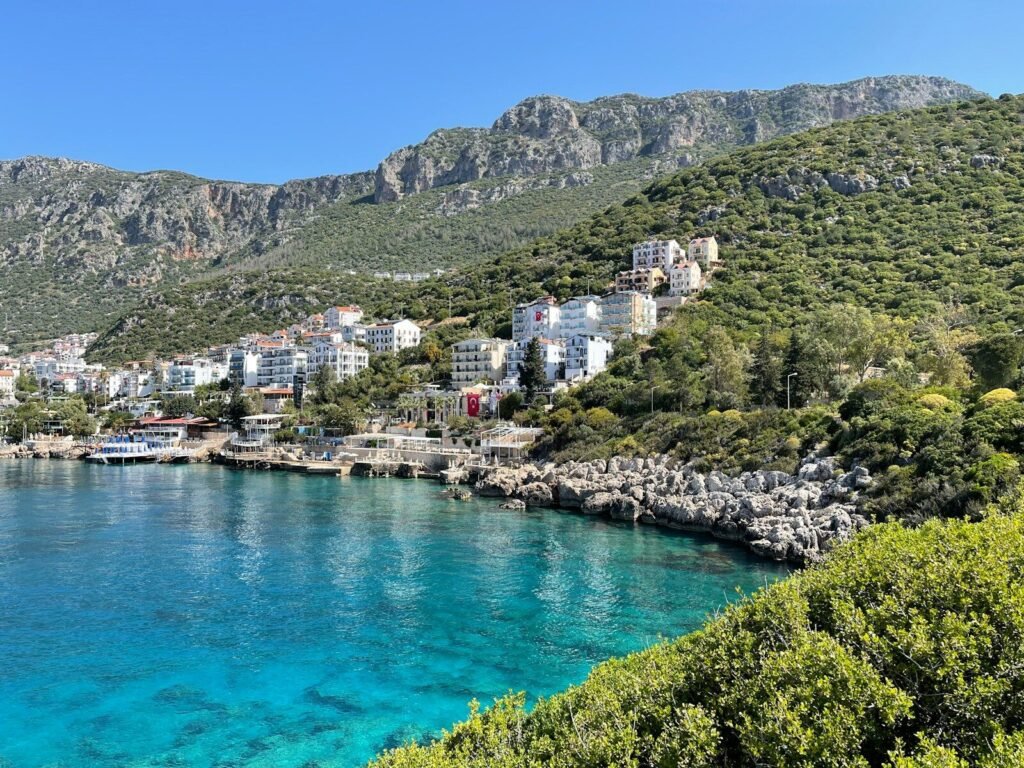
July — The Beach Country
Weather: Hot. Istanbul 25–30°C, Mediterranean and Aegean coasts 32–36°C, inland Cappadocia 28–33°C. The country is at its hottest and busiest.
Best for: Pure beach trips. Gulet sailing. Children out of school. Bodrum, Çeşme, Kaş, Kalkan, Antalya — these are full of life.
The honest catch: Sightseeing inland is hard. A noon visit to Ephesus or Pamukkale in July is a heat-stamina test most families lose. Prices peak. Booking lead times stretch to 3–4 months for the best hotels.
Insider note: July is when the rhythm of swim until 4pm, sightsee in the evening becomes essential, not optional. The traveller who fights this rhythm has a worse trip than one who embraces it.
August — The Hottest Month
Weather: The most intense month of the year. Coastal regions consistently 34–38°C. Inland and southeastern Turkey can exceed 40°C.
Best for: Sea-focused holidays only. Beach. Boat. Cool restaurant terraces. Repeat.
The honest catch: This is genuinely a difficult month for cultural and inland travel. Cappadocia’s daytime heat surprises many visitors who expect the central plateau to be cooler than the coast. It is not.
Insider note: The early-August Cappadocia Balloon Festival is a spectacle, but flights operate from 4:30am — you are rewarded for the early start with the only comfortable hours of the day. Late August prices remain high but crowds begin to thin in the second half as European school holidays end.
September — The Best Coastal Month
Weather: Late summer at its kindest. Istanbul 22–28°C, Mediterranean 28–32°C, sea temperature still warm at 26–27°C, Cappadocia 22–28°C.
Best for: Travellers who want summer weather without summer crowds and prices. The sea is at its warmest of the year. Inland sites become bearable again. Hotel rates drop noticeably from mid-September. Many travel designers consider September Turkey’s best all-round month.
The honest catch: Early September is still genuinely hot. The shift happens around the 15th — before that, you are still in summer, just slightly less so.
Insider note: September is when the grape harvest happens in Cappadocia, and the small wineries in Ürgüp and Uçhisar open their doors for tastings that the summer crowd entirely missed.
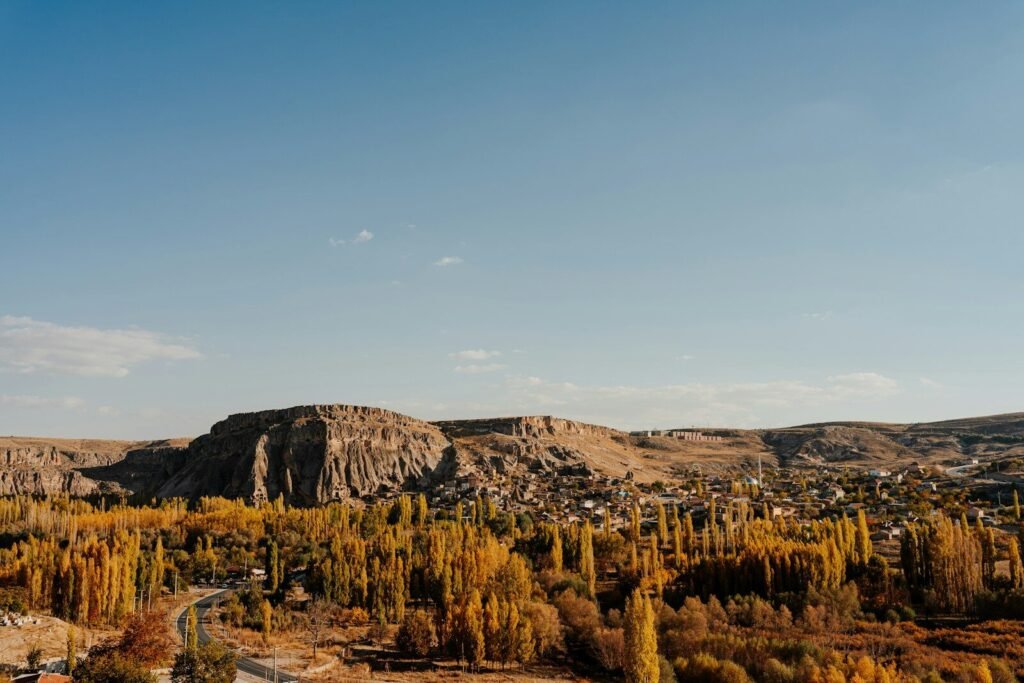
October — The Sweet Spot
Weather: Genuinely beautiful. Istanbul 16–22°C, Mediterranean 22–27°C, Cappadocia 15–22°C with cool evenings. October light is soft, golden, and unmistakable.
Best for: Photographers. Hikers. Cultural travellers. Romantic trips. October has, arguably, the best weather-to-crowd-to-price ratio of the entire year.
The honest catch: Many smaller Mediterranean coastal hotels close by mid-October. The sea cools rapidly — by month-end, swimming becomes a stretch.
Insider note: Republic Day (October 29) is a 35-hour celebration beginning at 1pm on October 28 — fireworks, parades, concerts across the country. Istanbul’s Bosphorus is at its most spectacular that night. The International Wine Festival in Cappadocia runs at month-end.
November — The Quiet Premium
Weather: Cooling. Istanbul 11–15°C, often grey and rainy. Cappadocia 5–12°C with the first hints of winter. The Mediterranean still mild at 17–22°C but the season has clearly ended.
Best for: Travellers who want Istanbul without crowds and at meaningfully lower prices. Cultural deep dives. Hammam season — there is something exactly right about a Turkish bath when the weather outside is grey.
The honest catch: Most coastal resorts have closed. Outdoor activities are weather-dependent.
Insider note: November to early December is when Istanbul’s cultural calendar peaks — the IKSV festivals, gallery openings, the city’s restaurant scene at its most local. This is the month locals actually live in their city.
December — The Festive Cold
Weather: Properly cold. Istanbul 6–10°C, often rainy. Cappadocia frequently snowy. Eastern Turkey deeply cold.
Best for: Christmas and New Year travellers wanting somewhere different. Istanbul does not celebrate Christmas widely, but New Year’s Eve is celebrated significantly — fireworks over the Bosphorus are extraordinary. Skiers head to Uludağ and Palandöken.
The honest catch: Short days. Wet weather. Some closures.
Insider note: The Mevlana Festival in Konya (December 7–17) — the annual ten-day commemoration of Rumi with whirling dervish ceremonies — is one of Turkey’s most spiritually significant cultural events, and almost no foreign itinerary includes it. December is when this becomes possible.

So — When Should You Actually Go?
If we were to compress everything above into honest recommendations:
- For first-time visitors who want the best of everything: Late April through mid-June, or mid-September through late October.
- For beach and gulet trips: June or September. July and August work, but only if you are committed to the rhythm.
- For Cappadocia at its most beautiful: Late April / early May for wildflowers, or mid-February for snow.
- For Istanbul as a cultural city, not a tourist city: November or January.
- For the highest balloon flight success rate: April, May, September, October.
- For the best price-to-experience ratio: Late September through October, or mid-March through mid-April.
- For genuinely unique cultural moments: May (Hıdırellez), October (Republic Day), December (Mevlana Festival).
The single most useful planning principle for Turkey is this: decide what kind of trip you want before you decide when to come. The country is generous enough to deliver almost any experience — but it delivers each one in a particular month, and the gap between the right month and the wrong month is bigger here than almost anywhere else we work.
A note from us
We design journeys across Turkey for travellers who want their timing to match their intent — not just a generic “best time” answer pulled from a search engine. The right month for you depends on what you want from Turkey, and that conversation is one we have with every guest before any itinerary takes shape.
If you are starting to think about a trip — whether for next month or next year — the most useful first step is not picking a date. It is telling us what you want the trip to feel like. The right window will reveal itself from there.
Planning a journey across Turkey? Get in touch with our team — every itinerary we design is built around the right month for the right traveller.