
If you booked a luxury holiday five years ago, the formula was predictable: a five-star hotel, a marble lobby, a chilled bottle of champagne on arrival, and a concierge who could get you a table at a restaurant you’d already seen on Instagram. That was luxury. It was also, by 2026’s standards, beginning to feel a little hollow.
Something has shifted — and the people who plan high-end travel for a living are the first to notice it. The traveller booking a journey across the Mediterranean today is asking a different set of questions. Not “Which hotel has the best lobby?” but “What will this trip actually do for me?”
This is the quiet revolution at the heart of luxury travel in 2026. And if you’re considering Turkey, Greece, or Egypt for your next escape, it changes how you should plan, where you should stay, and — most importantly — how you should measure whether your trip was worth it.
The End of Performative Luxury
For two decades, luxury travel was largely about being seen in luxurious places. The destination was a backdrop. The hotel was a status object. The trip itself was, increasingly, content.
That’s over.
The most striking finding from this year’s industry research isn’t a new destination or a new hotel chain — it’s a change in motivation. The Virtuoso 2026 Luxe Report found that nearly half of luxury travel advisors have seen a measurable rise in “ultraluxe” travel, defined not by price but by exclusive use, privacy, and rare access. In plain language: the wealthy are paying more not to be in nicer crowds, but to avoid crowds altogether.
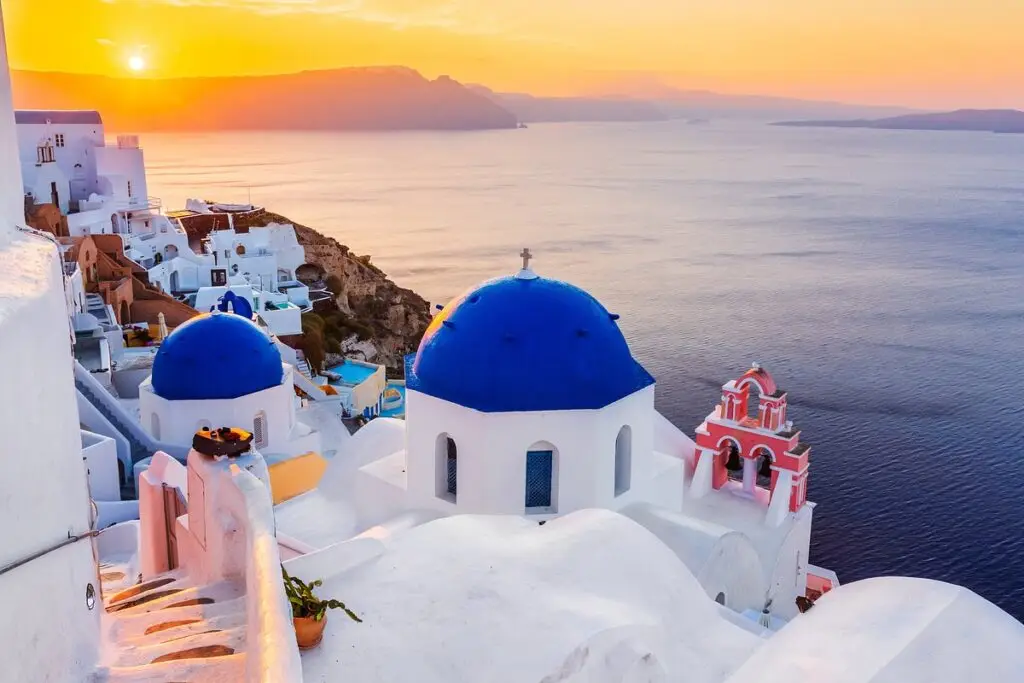
You can feel this on the ground. Five years ago, a couple celebrating a milestone in Santorini wanted the cliffside hotel everyone was photographing. Today, that same couple wants a private villa on Folegandros — an island the average traveller can’t pronounce — with a chef who arrives each morning with whatever the fishermen brought in.
The trip is no longer the trophy. The trip is the point.
The Five Things Luxury Travellers Are Actually Buying in 2026
Across hundreds of bookings and conversations with travel designers this year, five priorities surface again and again. None of them appear in a hotel brochure. All of them define what real luxury feels like now.
1. Time, not things
The most expensive thing in 2026 isn’t a suite — it’s an unhurried morning. Travellers are extending stays, slowing itineraries, and refusing the old “three countries in seven days” template. Industry data shows luxury guests increasingly choosing one base for a full week over moving every two nights, even when budget would allow constant motion.
In our region, this looks like: ten days in Cappadocia and the Aegean coast instead of a frantic Istanbul–Cappadocia–Ephesus circuit. Or a full week split between two Greek islands rather than five. Or — and this is becoming more common — a Nile cruise where guests get off the boat in places most cruises skip, because their journey was built for them, not for a fleet schedule.
2. Access, not amenity
Anyone with money can book a room at a Four Seasons. What they can’t book — and what they’re now paying for — is the half-hour alone inside Hagia Sophia before doors open to the public. The private archaeologist at Karnak who’s been cataloguing the temple for fifteen years. The Cycladic family who’ll teach you to make their grandmother’s recipes in their actual kitchen, not a staged “experience kitchen.”
True luxury in 2026 is the door that doesn’t open for most people. This is why bespoke operators with deep local relationships have become more valuable, not less, in the age of AI trip planning. An algorithm can list the top ten things to do in Athens. It cannot get you a 7am private viewing of the Acropolis.
3. Meaning, not glamour
A consistent theme across every major 2026 luxury report — from Black Tomato to the World Luxury Chamber of Commerce — is the move from materialism to emotional resonance. Luxury travellers want to come home changed in some small way. Not just rested. Not just photographed. Actually different.
This shows up in trip requests that would have seemed strange a decade ago: cooking lessons in a Cretan village, calligraphy with a master in an Istanbul atelier, learning to read hieroglyphs in a private session before walking the Valley of the Kings. The trip is shaped around what the traveller wants to learn or feel, not what they want to show.
4. Privacy, not exclusivity
These two words sound similar. They are not. Exclusivity says “only certain people can come here.” Privacy says “for these days, this place is mine.” The 2026 traveller wants the second.
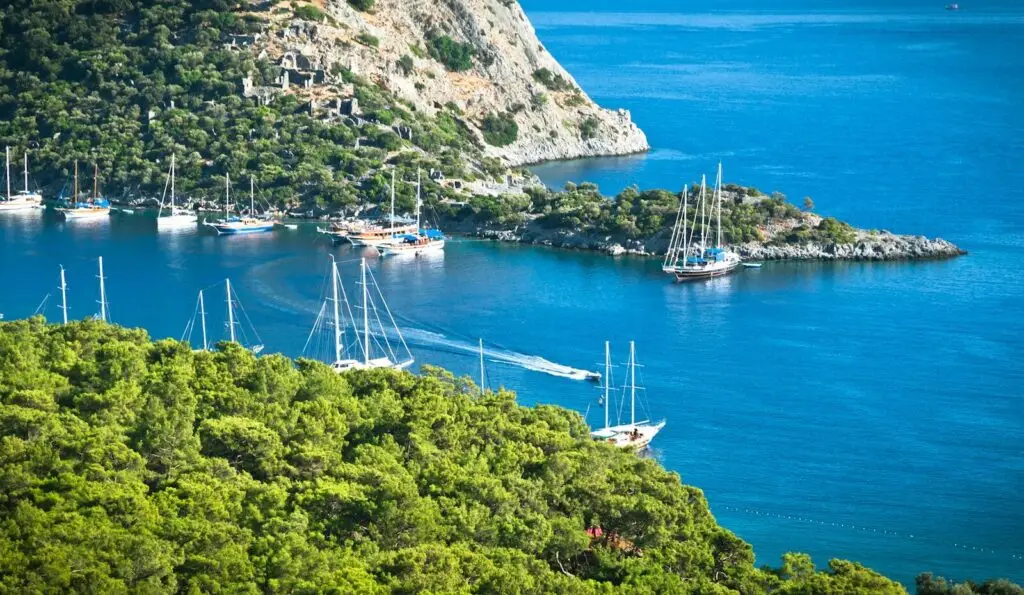
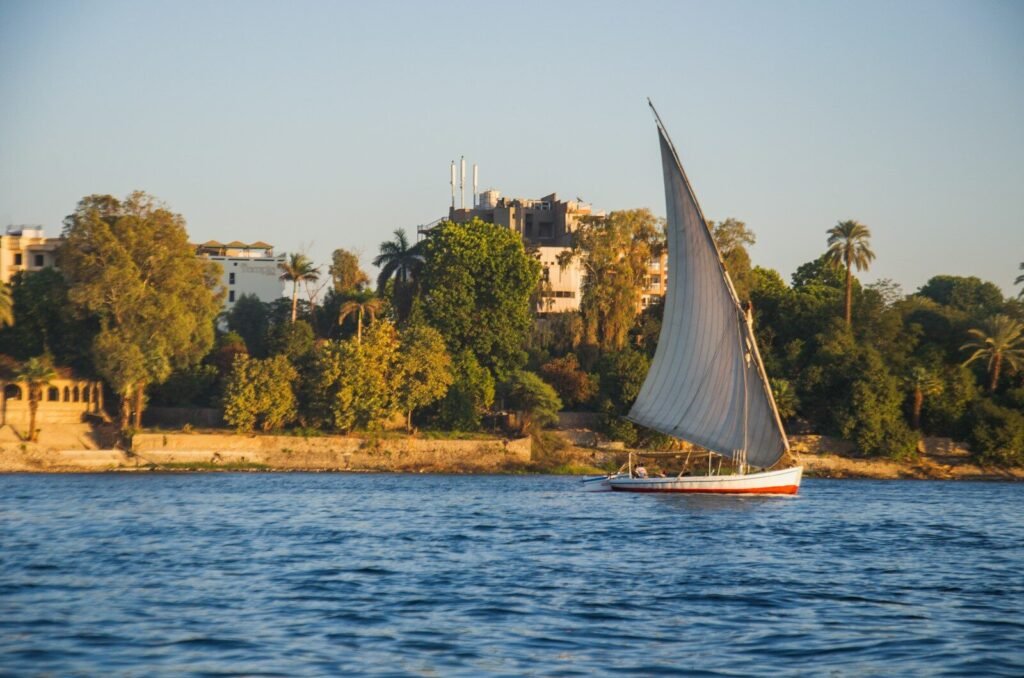
Practically, this is why private gulets along the Turkish Riviera are outselling shared luxury cruises. Why villa stays in Greece have overtaken hotel beds in raw inventory — by 2025, short-term rental beds in Greece passed traditional hotel beds. Why Nile dahabiyas (small private sailing boats with four to ten cabins) have become the way affluent travellers see Egypt, not the 150-cabin cruise ships they replaced.
5. Wellness with results, not just rituals
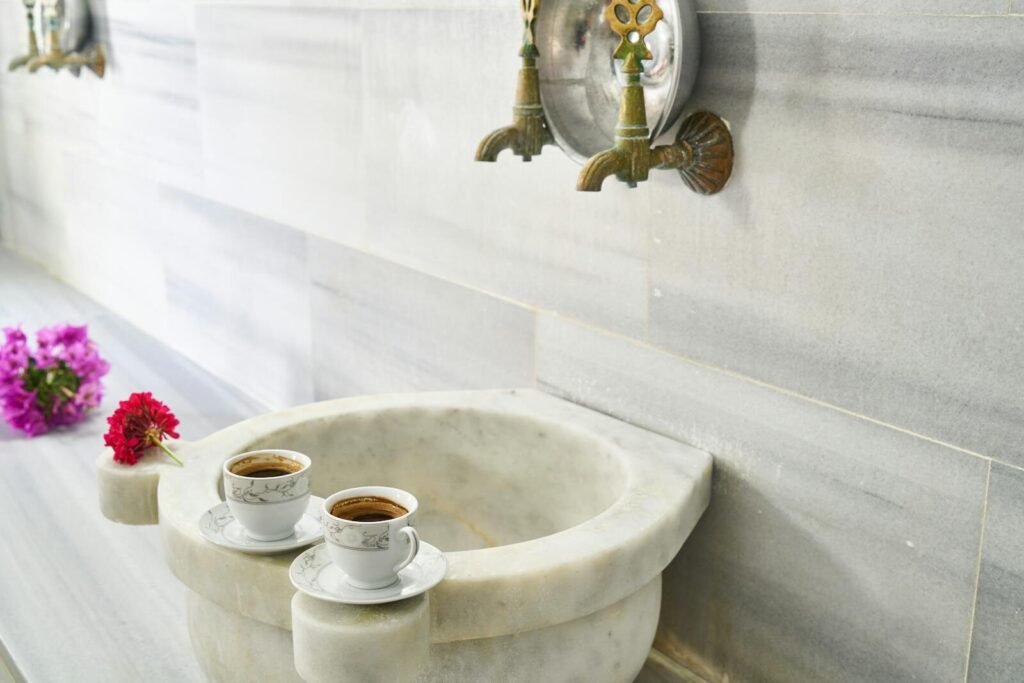
The “spa day” has been quietly retired by serious luxury travellers. In its place: longevity diagnostics, sleep optimisation, recovery protocols, hammam traditions used the way they were originally designed — therapeutically, not decoratively. The shift is from pampering to outcomes.
This region has an enormous, under-marketed advantage here. The Turkish hammam tradition is one of the world’s oldest functional wellness practices. Egyptian thermal and salt therapies have roots that predate modern wellness branding by millennia. Greek thalassotherapy was using seawater for healing when most of Europe was still suspicious of bathing. The most interesting luxury wellness trips in 2026 aren’t being designed for this region — they’re being rediscovered from it.
What This Actually Looks Like Across Turkey, Greece & Egypt
The good news, if you’re drawn to this part of the world: every one of these 2026 priorities is easier to deliver here than almost anywhere else. The infrastructure is older than the trends. We’re just learning how to use it properly again.
Turkey: from sightseeing to slow immersion
The old Turkey itinerary moved fast — three nights in Istanbul, two in Cappadocia, one in Ephesus, gone. The 2026 itinerary breathes. A morning hammam in a 16th-century bathhouse, then a private Bosphorus crossing on a wooden boat with a guide who used to teach Ottoman history. Two full nights in a Cappadocia cave suite with no agenda but the balloon at sunrise — and the option to skip it. A private gulet for three days along the Lycian coast, anchoring in coves where the road doesn’t reach.
The country offers what travel designers quietly call “European quality at 40–60% less” — meaning your budget buys depth here that it can’t buy in Italy or France. That gap is the room for experiences that elsewhere would be unaffordable.
Greece: beyond the islands you’ve heard of
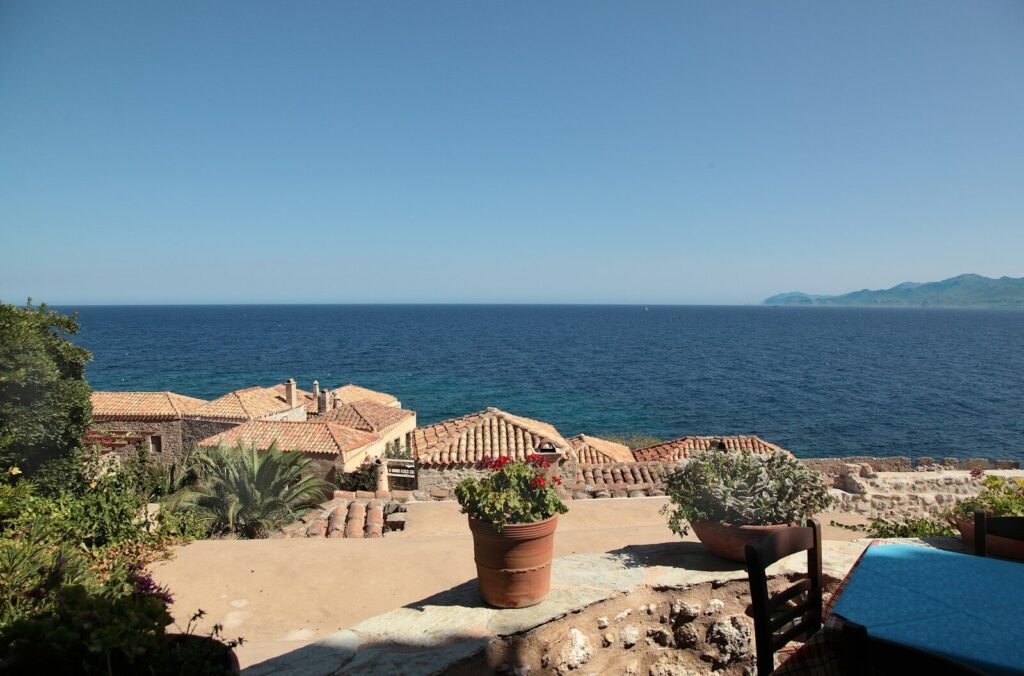
Mykonos and Santorini will continue to be Mykonos and Santorini. But the most interesting 2026 Greek trips are starting somewhere else: Folegandros, Paros, the Peloponnese coast, the Mani peninsula. Properties like Amanzoe, Gundari, and the new Athens Riviera hotels are pulling the centre of gravity away from the saturated islands and toward stays where you can actually hear the sea.
Pair Athens with the Riviera instead of two Cycladic islands. Add the Peloponnese for depth. Stay seven nights somewhere instead of two nights everywhere. This is the structural shift defining luxury Greece in 2026.
Egypt: the country is finally being seen properly
Egypt’s luxury travel is in the middle of a renaissance. The Grand Egyptian Museum, fully open and now arguably the most important museum on earth, has reset what a Cairo trip looks like. Small dahabiya sailings on the Nile — quiet, slow, four to ten cabins — are doing for Egypt what private gulets did for Turkey: turning a logistical journey into a memorable one. Private Egyptologists, who used to be a luxury, are now the baseline of any serious trip.
Egypt is also, for the first time in years, a country where travellers are staying longer — Cairo, Luxor, Aswan, the Red Sea, perhaps Alexandria — instead of doing it as a four-day add-on. The depth is finally being honoured.
The New Definition (and Why It Matters)
Here is what luxury travel actually means in 2026:
Luxury is the quiet confidence that the trip you booked is the trip you will live — that someone has handled what you don’t want to think about, opened the doors that don’t usually open, given you back time you didn’t know you’d lost, and built the journey around who you actually are.
It is not a brand. It is not a price point. It is not a hotel category.
It is the difference between a holiday you took and a journey that changes the texture of the next six months of your life.
A Quiet Note from Us
We’ve been arranging travel across Turkey, Greece, and Egypt for a long time, and we’ve watched this shift happen in real time. The travellers who used to ask for the highest-rated hotel now ask, almost first thing, “What’s the best version of this trip — not the most expensive, the best?” It’s a much more interesting question, and the answer is almost never what a search engine would tell you.
If you’re planning something for 2026 — whether it’s a first trip across the region, a return to a country you loved, or the kind of slower journey you’ve been meaning to take for years — the place to start isn’t the destination. It’s the feeling you want to come home with.
The rest, we can build.
Considering a tailored journey across Turkey, Greece, or Egypt for 2026? Get in touch with our team — every itinerary we design starts with a conversation about you, not a brochure.